Window & Glazing

Products

Butyl and EPDM sealing tapes engineered for OEM window and glazing manufacturers — and the production partners who build for them — across Europe.

KISO 05 Filler

Strips of EPDM closed cellular rubber, cut and slit from large “mattresses”. (Without outer skin).

See more


KISO 141 3-top, 4-top, L and crown

KISO 141 is a self adhesive EPDM rubber sealing strip.

See more

KISO 501 ALU-BUTYL TAPE

KISO 501 ALU-BUTYL is an aluminium foil with a rubber based extruded and self-adhesive butyl sealing strip.

See more
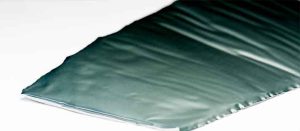
KISO 502 TEARPROOF-ALU-BUTYL TAPE

KISO 502 TEARPROOF-ALU-BUTYL is a tearproof aluminium foil with a rubber based extruded and self-adhesive butyl sealing strip.

See more

KISO 508 LINING BARRIER

KISO 508 LINING BARRIER is a closed diffusion membrane consisting of LDPE foil with tape and/or butyl.

See more
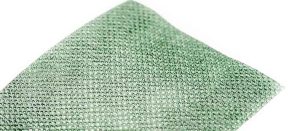
KISO 513 DIFF-OPEN-PP-BUTYL TAPE

KISO 513 DIFF-OPEN-PP-BUTYL is a diffusion open breathable membrane applied with rubber based extruded and self-adhesive butyl sealing strips.

See more
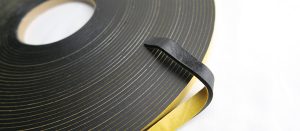
KISO GLAZING-BUTYL TAPE Antitheft

KISO GLAZING-BUTYL Antitheft is a rubber based butyl sealing strip.

See more

Applications

Insulating glass unit (IGU) edge sealing uses self-adhesive alu-butyl tapes KISO 501 and 502 to bond aluminium spacer bars into an airtight, low-permeability seal — built for high-volume OEM production lines.

Frame-to-wall joint sealing relies on closed-cell EPDM strips KISO 05 Filler and KISO 141 to seal the gap between frame and structure, keeping out water and air while absorbing structural movement.

Moisture and vapour management is handled by KISO 513, a diffusion-open material that lets water vapour escape while blocking liquid water — preventing condensation in joints and rebates.

For security and anti-theft glazing, KISO Glazing-Butyl Tape Antitheft delivers a purpose-built seal for OEM partners who specify security as standard.

Airtightness at the window-to-wall junction is handled by KISO 508 Lining Barrier, an LDPE diffusion membrane with butyl and/or tape — meeting the airtightness requirements of the Danish Building Regulations (BR2020).

Why KISO

KISO is the sealing partner OEM window and door manufacturers rely on when performance cannot vary. ISO 9001-certified and manufacturing since 1971, we supply butyl and EPDM sealing tapes directly to OEM customers and through industry-specific distributors in 20+ European countries — engineered to the same specification, shipment after shipment.

Because KISO compounds its own butyl and EPDM formulations in-house, tack, flexibility and adhesion can be tuned specifically for IGU edge sealing and frame movement — rather than relying on a single, off-the-shelf compound across every application.

FAQ

What is the difference between dry glazing and wet glazing?

Dry glazing uses a pre-formed sealing profile — such as KISO 141 — to create an airtight and watertight seal without additional sealants. Wet glazing instead uses a liquid sealant, such as silicone, applied on top of a filler strip like KISO 05 Filler, to achieve the same result. KISO supplies sealing profiles and strips for both methods.

What is IGU edge sealing, and which KISO products are used for it?

IGU edge sealing is the process of bonding the aluminium spacer bar to the glass panes in an insulating glass unit (IGU), creating an airtight, low-permeability seal that prevents moisture ingress between the panes. KISO 501 and KISO 502 self-adhesive alu-butyl tapes are engineered for this application on high-volume OEM production lines.

How long does a KISO butyl sealing tape typically last in a window application?

KISO’s butyl sealing tapes (including KISO 501 and 502) have an estimated service life of 15–20 years, based on standard indoor and outdoor exposure conditions. This is an indicative estimate only — actual service life depends on the substrate, exposure, installation and specific application conditions, and is not a warranty.

Can KISO sealing tapes be applied both in the factory and on-site?

Yes. KISO’s window and glazing sealing tapes, including the EPDM cellular profiles (KISO 141, KISO 05 Filler) and the butyl tapes, are suitable for both factory (OEM production line) and on-site glazing application.

What is the difference between EPDM and butyl sealing tapes for window applications?

EPDM cellular profiles, such as KISO 141 and KISO 05 Filler, are closed-cell rubber strips that absorb structural movement and seal by compression — well suited to frame-to-wall joints. Butyl tapes, such as KISO 501 and 502, are self-adhesive, extruded sealants that bond and seal by adhesion rather than compression — used mainly for IGU edge sealing and lap joints. KISO manufactures both material types in-house.